
Layer Feeds
Complete nutrition for laying hens at every stage of production
Overview
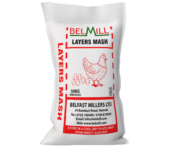
Our Layer Feeding program ensures your birds get the best start in life and maintain high egg production for longer periods. Our feeds are fortified with calcium, vitamins, and minerals essential for strong shells and healthy hens.
Layer Feed Products
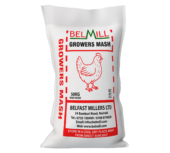
Growers Mash
For pullets 8-17 weeks. Balanced nutrition to prepare the pullet for egg production.
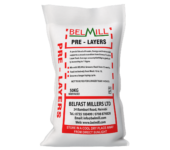
Pre-Layers
Formulated transitional feed designed to support pullets as they move from the grower phase into the laying phase.
Feeding Program
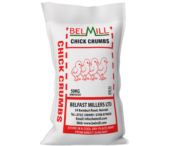
Stage 1: Starter Phase (Early Chick)
Age: 0-3 Weeks
Product: Chick Crumbs
• Designed for strong early growth and rapid feed intake
• Supports uniform chick development from day one
• Feed ad libitum with clean, fresh water water
• From Day 22, gradually introduce Belmill Chick Mash
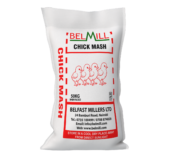
Stage 2: Chick Phase
Age: 3-8 Weeks
Product: Chick mash
• Total feed consumption: 2.1 kg per chick by 8 weeks
• Feed ad libitum with clean water
• At week 8, mix with Belmill Growers Mash for smooth transition
Stage 3: Grower Phase
Age: 8-17 Weeks
Product: Growers Mash
• Total feed consumption: 6.5 kg per bird
•Supports frame and body weight development
• Prevents premature sexual maturity
• At week 18, mix with Belmill Layers Mash
Stage 4: Pre Layer Phase
Age: 16-18 Weeks
Product: Pre-Layers
• Feed exclusively from week 16 to 18
• Average consumption: 90–110 g per bird per day
• Supports smooth transition from Growers Mash
• Strengthens skeletal development before onset of lay
• Not to be fed for longer than 14 days
At week 18, mix with Belmill Layers Mash
Stage 5: Layer Phase
Age: 18+ Weeks
Product: Layer Mash
• Feed intake increases to 140 g per bird per day
• Efficient production up to 85–89 weeks
• Strong shells, rich yolk color, consistent egg size
For best performance:
Use fresh feed stored in a cool, dry place away from direct sunlight.
Management Guidelines for High Egg Quality
Early Stage Management
Day Old Chicks
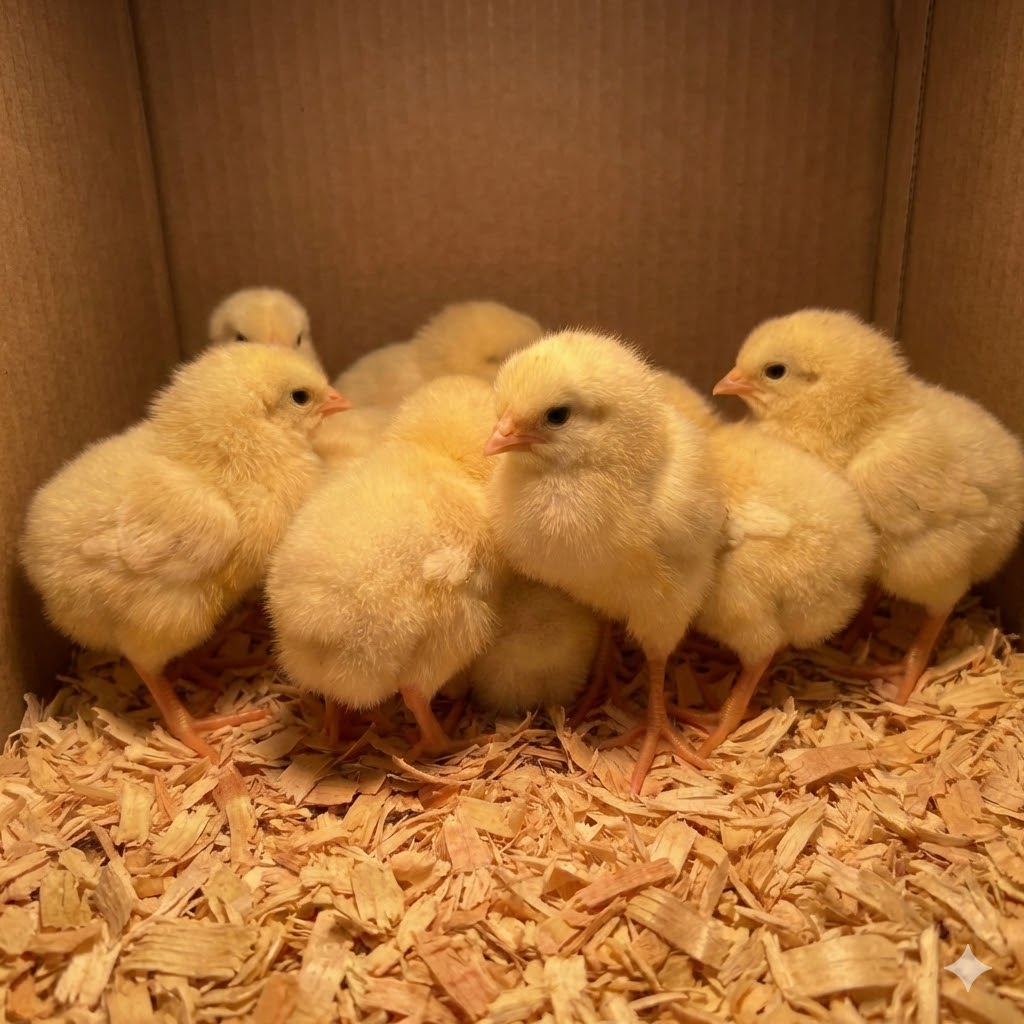
Source strong, healthy pullets weighing 45g from reputable hatcheries.
Check for clear eyes, well-developed feet, and contented chirping.
Brooding Temperature
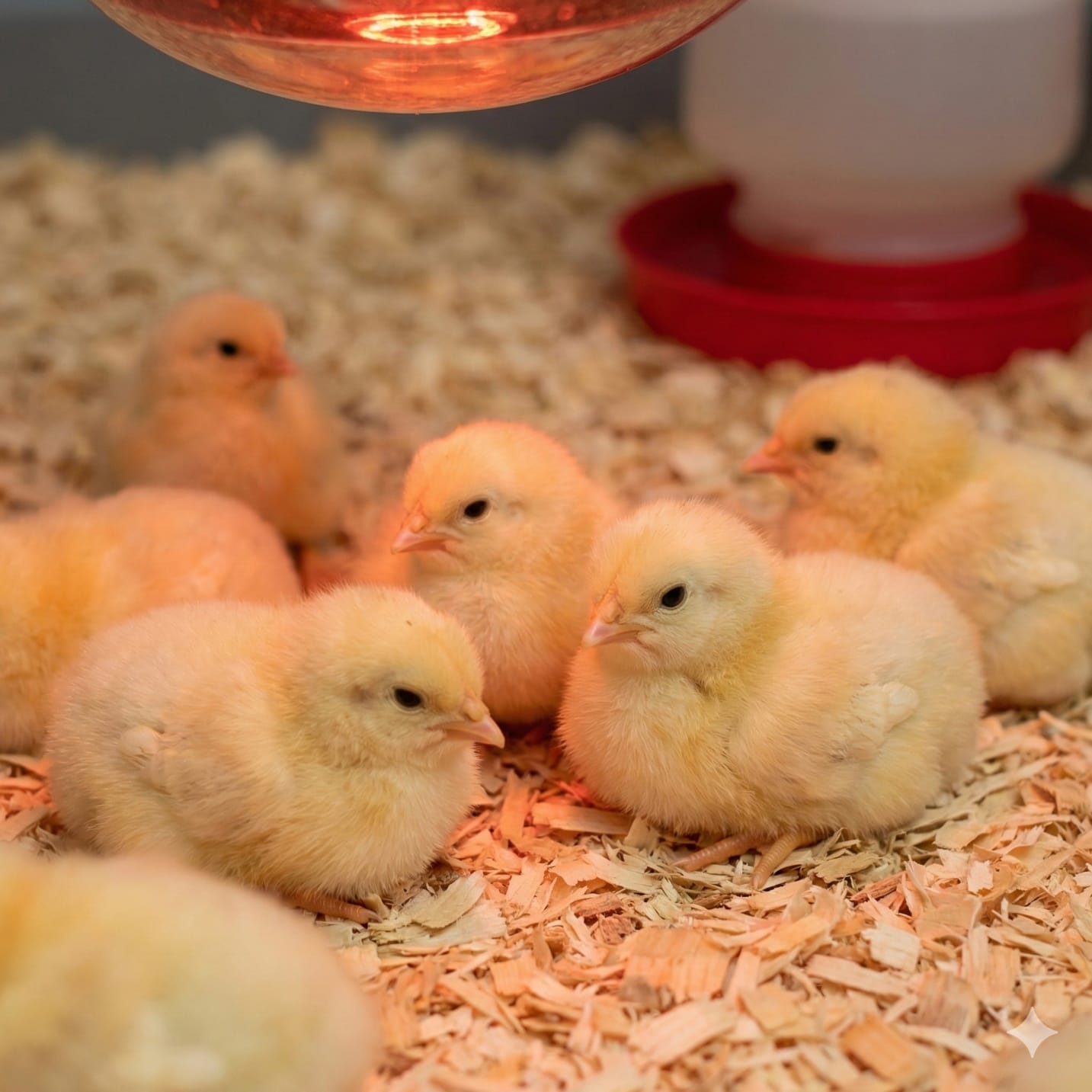
Maintain correct brooding temperature from day one. Reduce gradually as chicks grow. Clean and disinfect brooder 1-2 weeks prior to arrival.
Litter Management
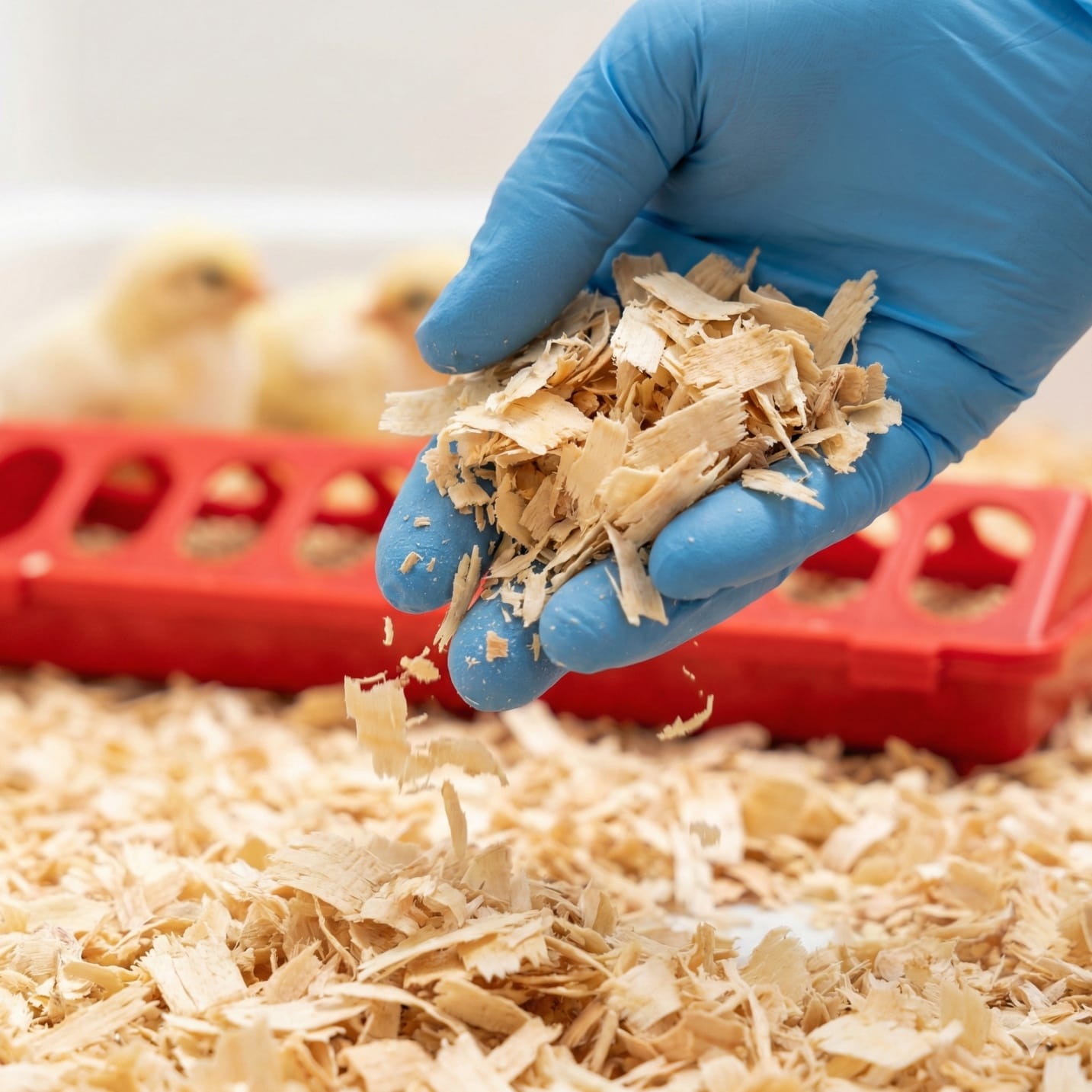
Use wood shavings 5-7cm thick. Keep litter dry at all times and replace wet sections promptly to prevent disease.
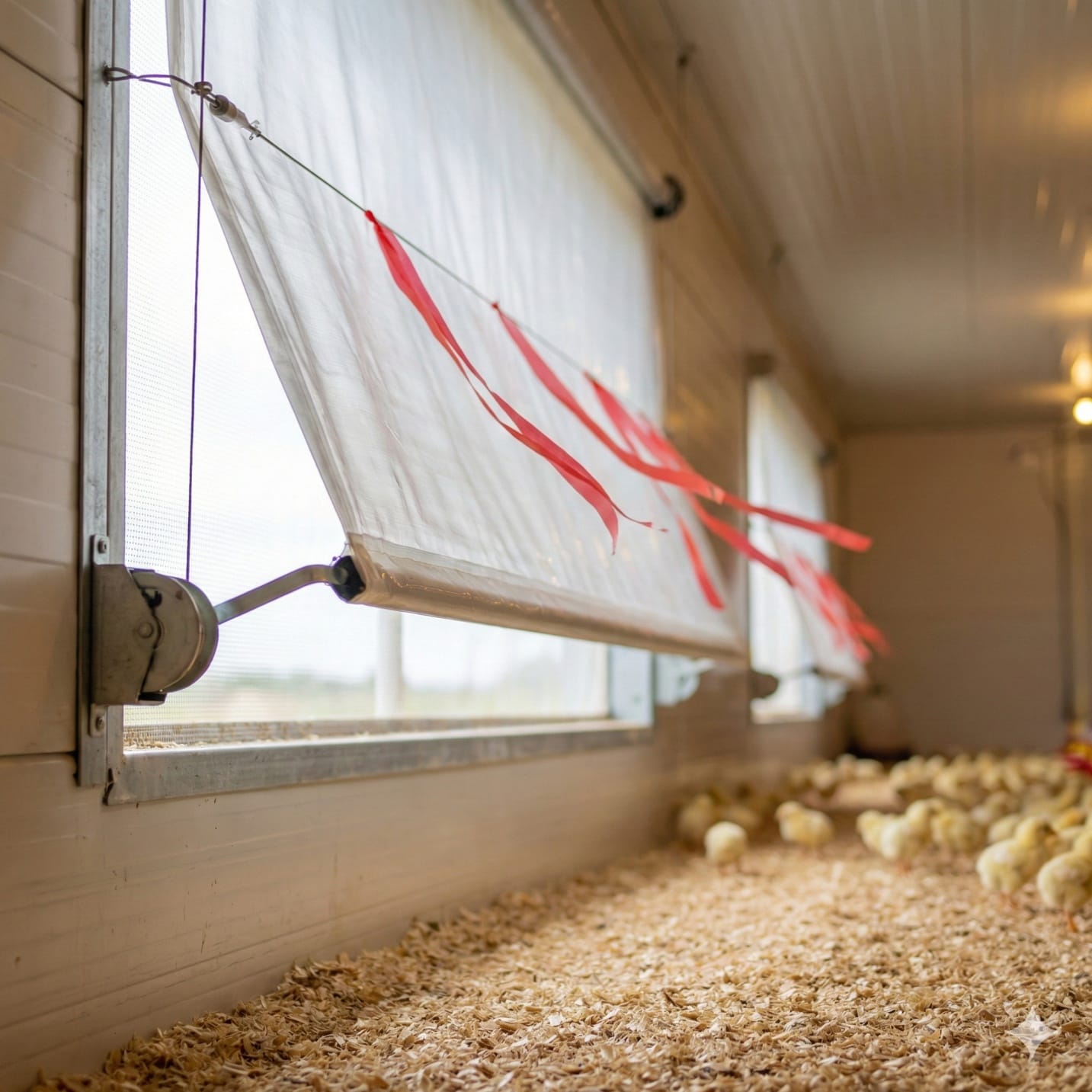
Ventilation
Ensure adequate airflow to control heat stress, moisture, and prevent ammonia buildup that damages respiratory systems.
Growth Phase Management
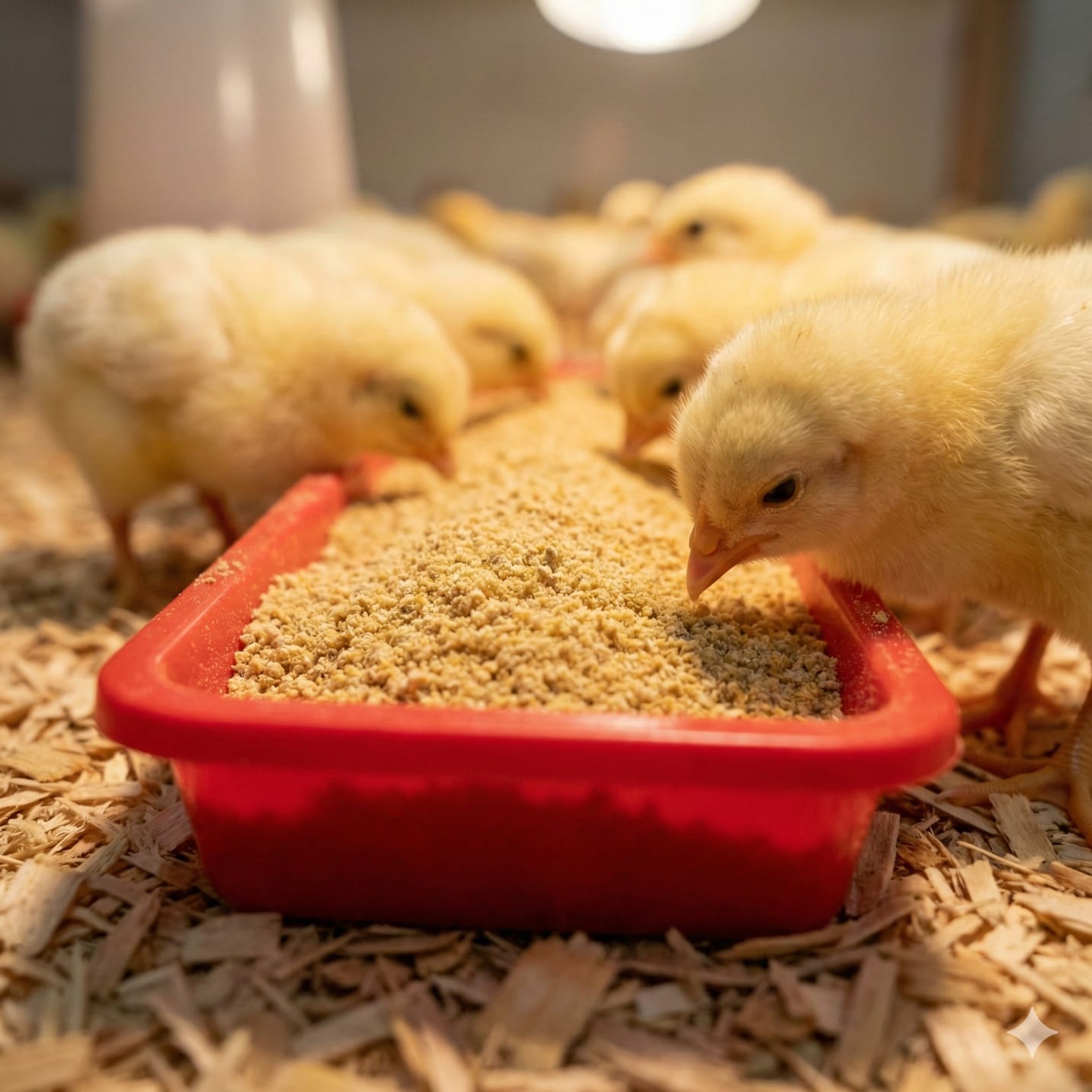
Feeding Access
Present feed on flat trays initially for day-old chicks. Ensure 95% of crops are full within 24 hours. Monitor feed intake closely.
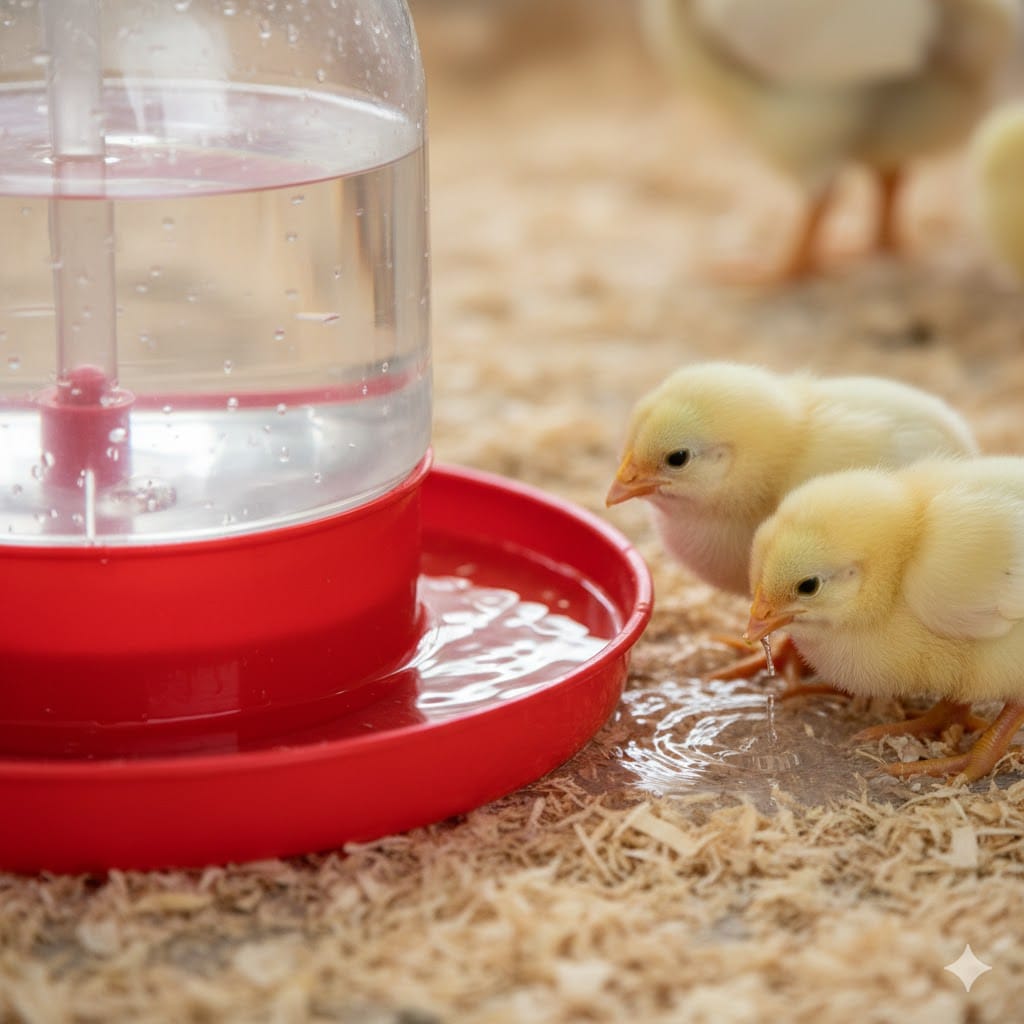
Clean Water
Supply clean, fresh water daily. Fortify with electrolytes for day-old chicks. Clean drinkers regularly to prevent contamination.
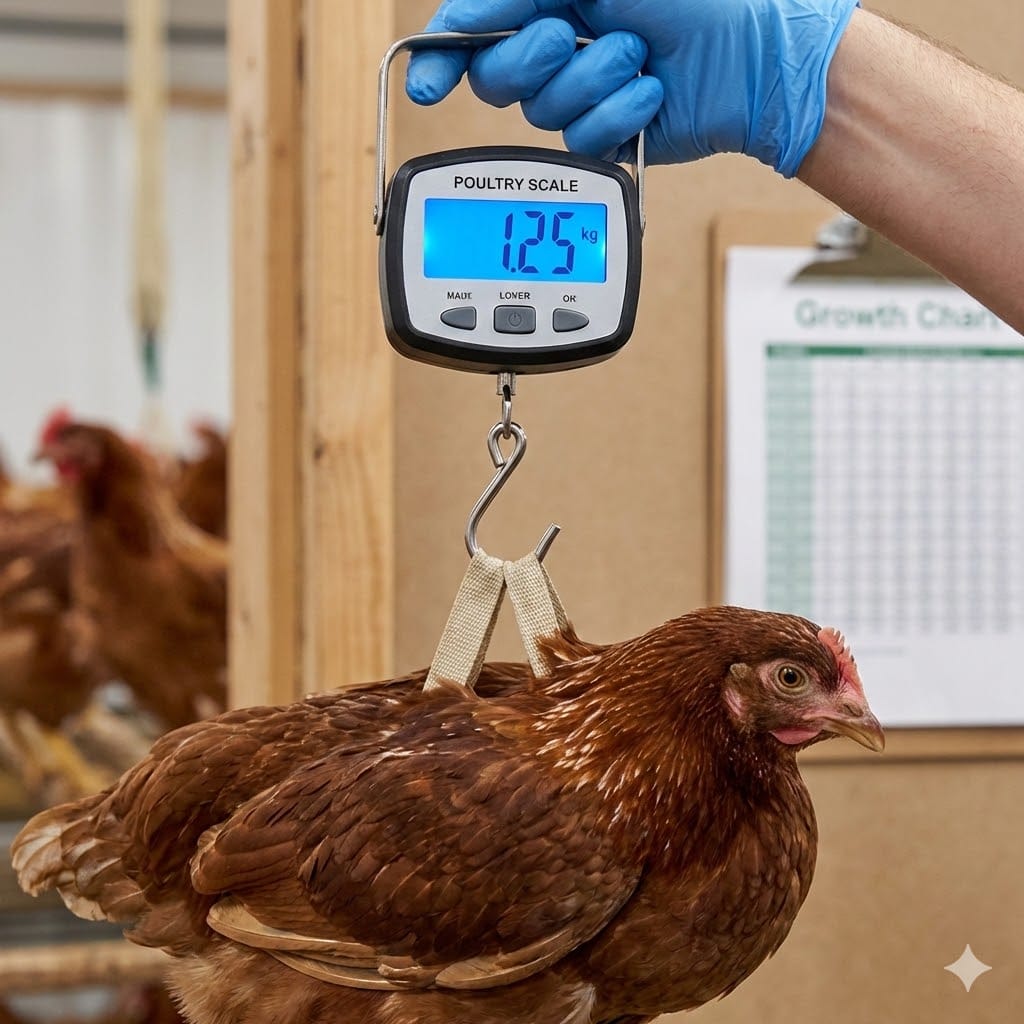
Flock Uniformity
Weigh sample birds weekly during grower phase. Target 1.5kg at point of lay. Remove weak or underperforming birds from flock.
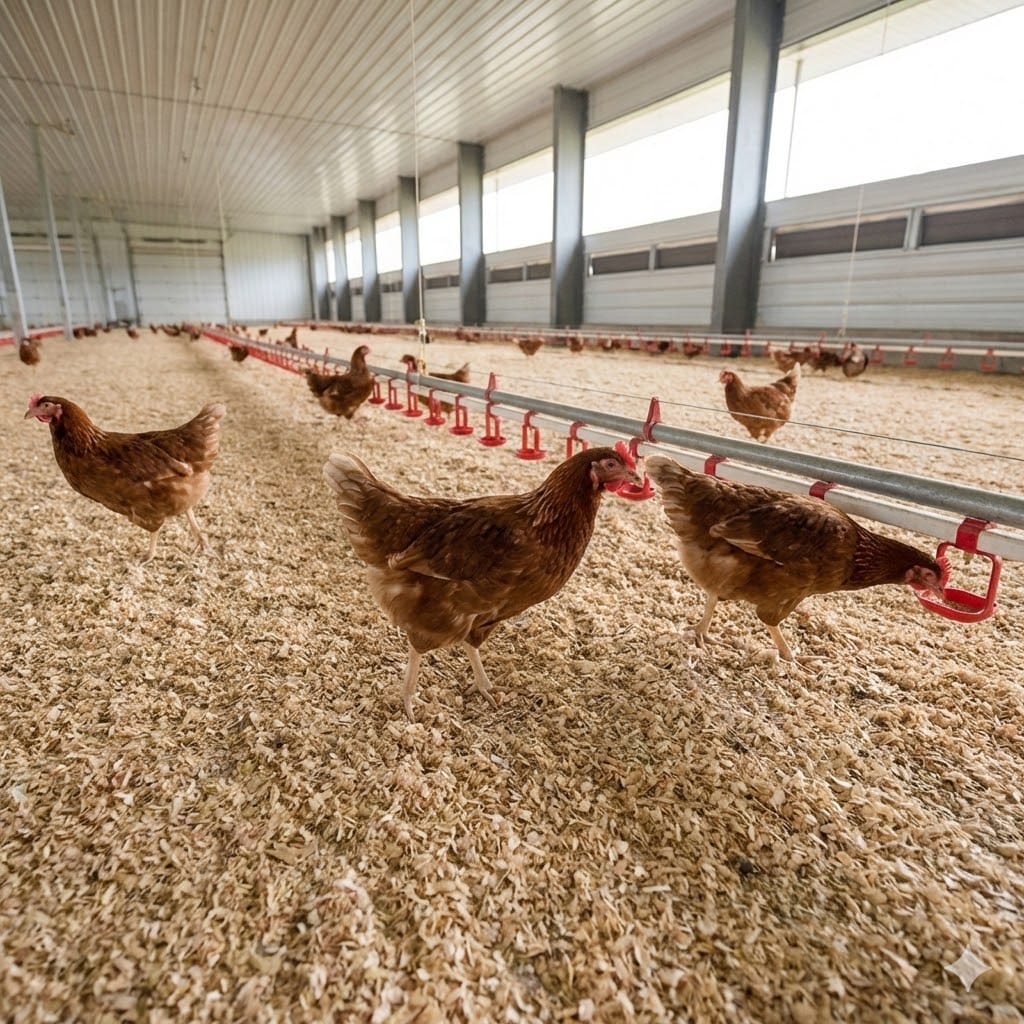
Space Allowance
Provide adequate floor space, feeder, and drinker access. Prevent overcrowding to reduce stress and maintain optimal health.
Production Phase Management
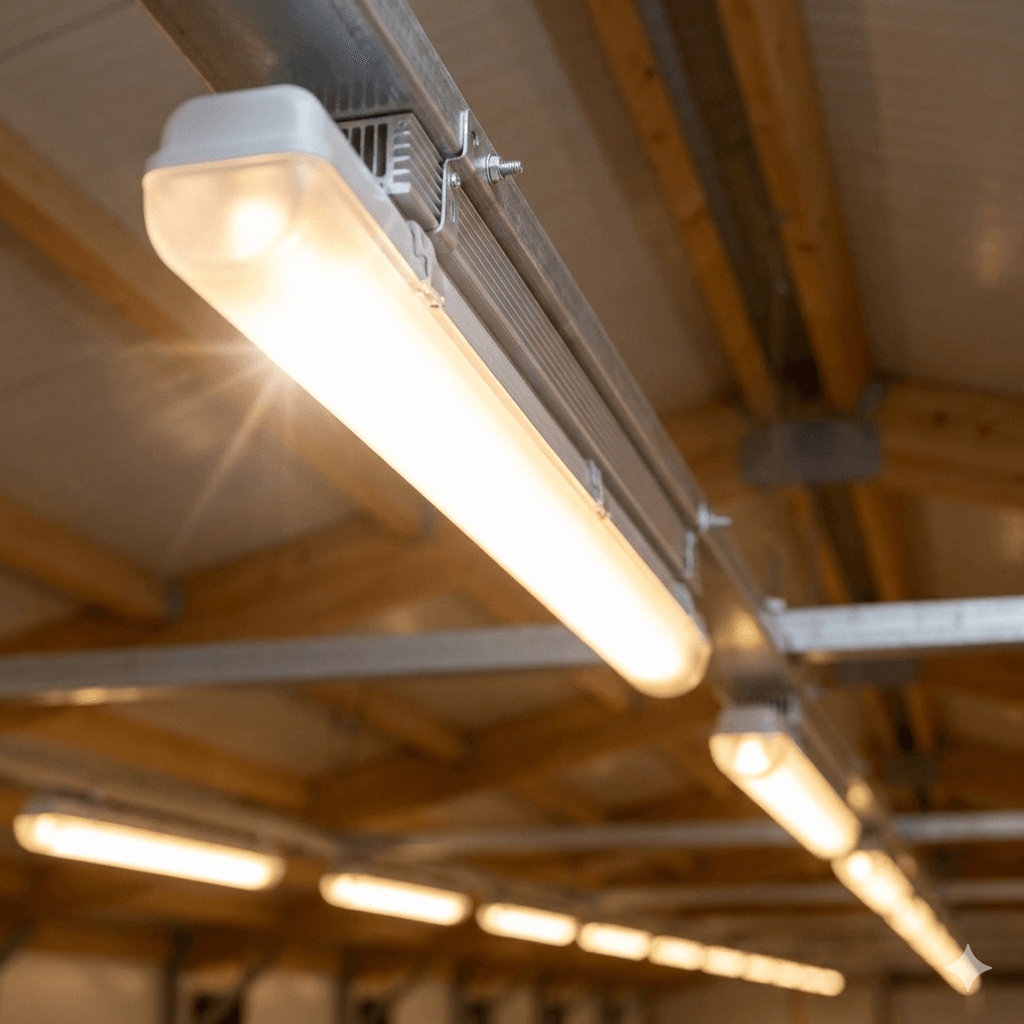
Light Management
Gradually increase light duration to 16 hours by 30-35 weeks of age. Stimulates laying onset and improves shell quality.
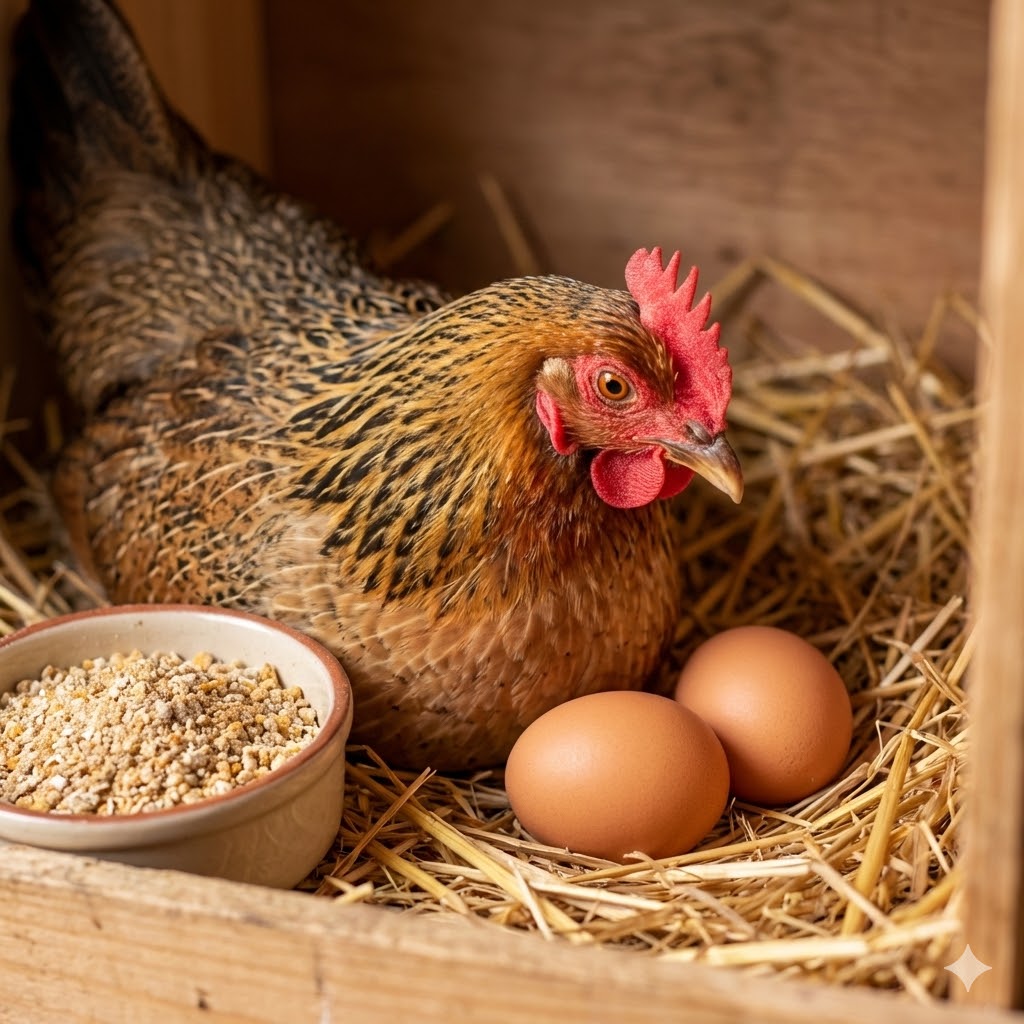
Nest Placement
Place nests in darker areas of the house. Replace nesting material weekly to prevent egg contamination and reduce floor eggs.
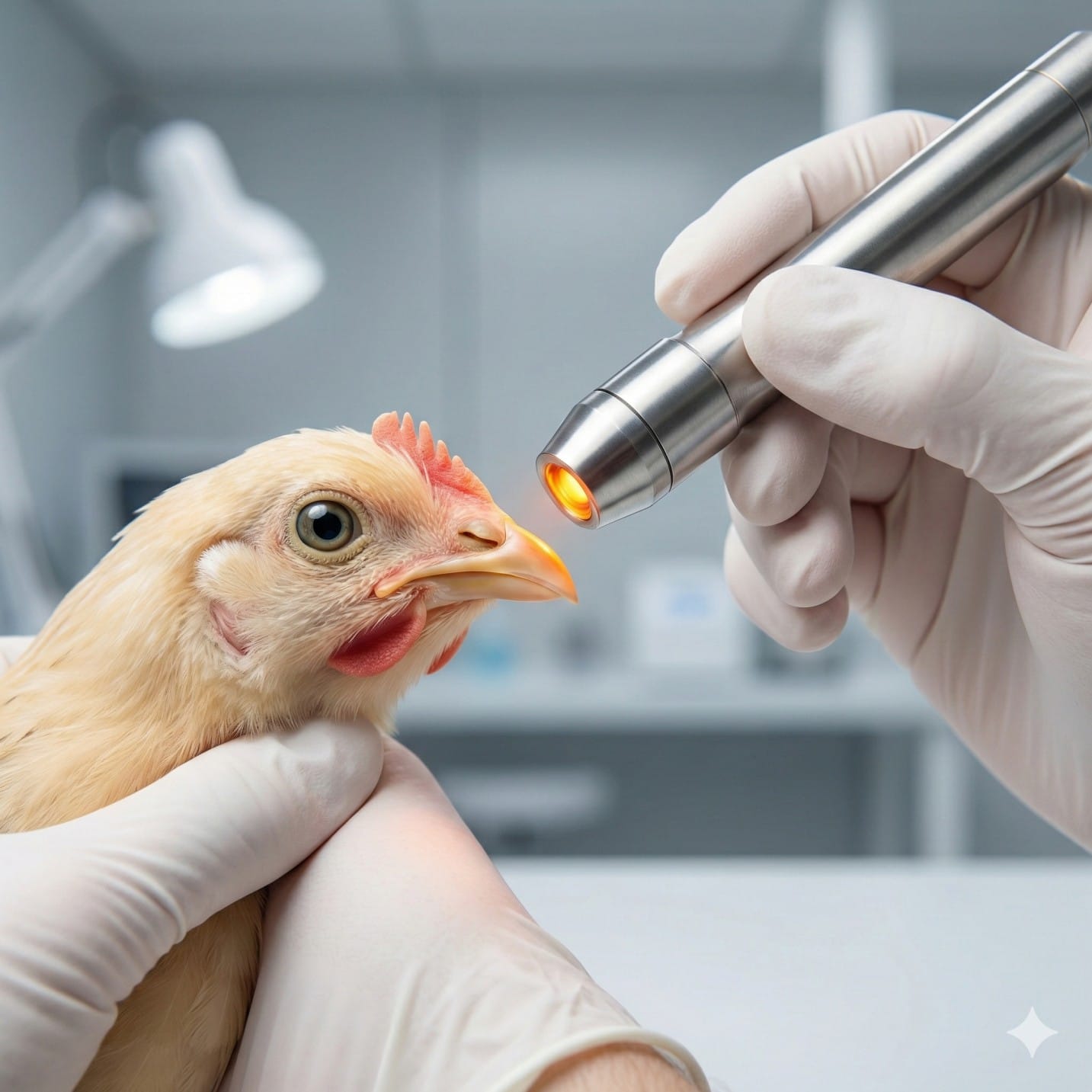
De-beaking
De-beak layers at onset of laying to prevent egg pecking, breakages, and cannibalism. Ensures flock harmony.
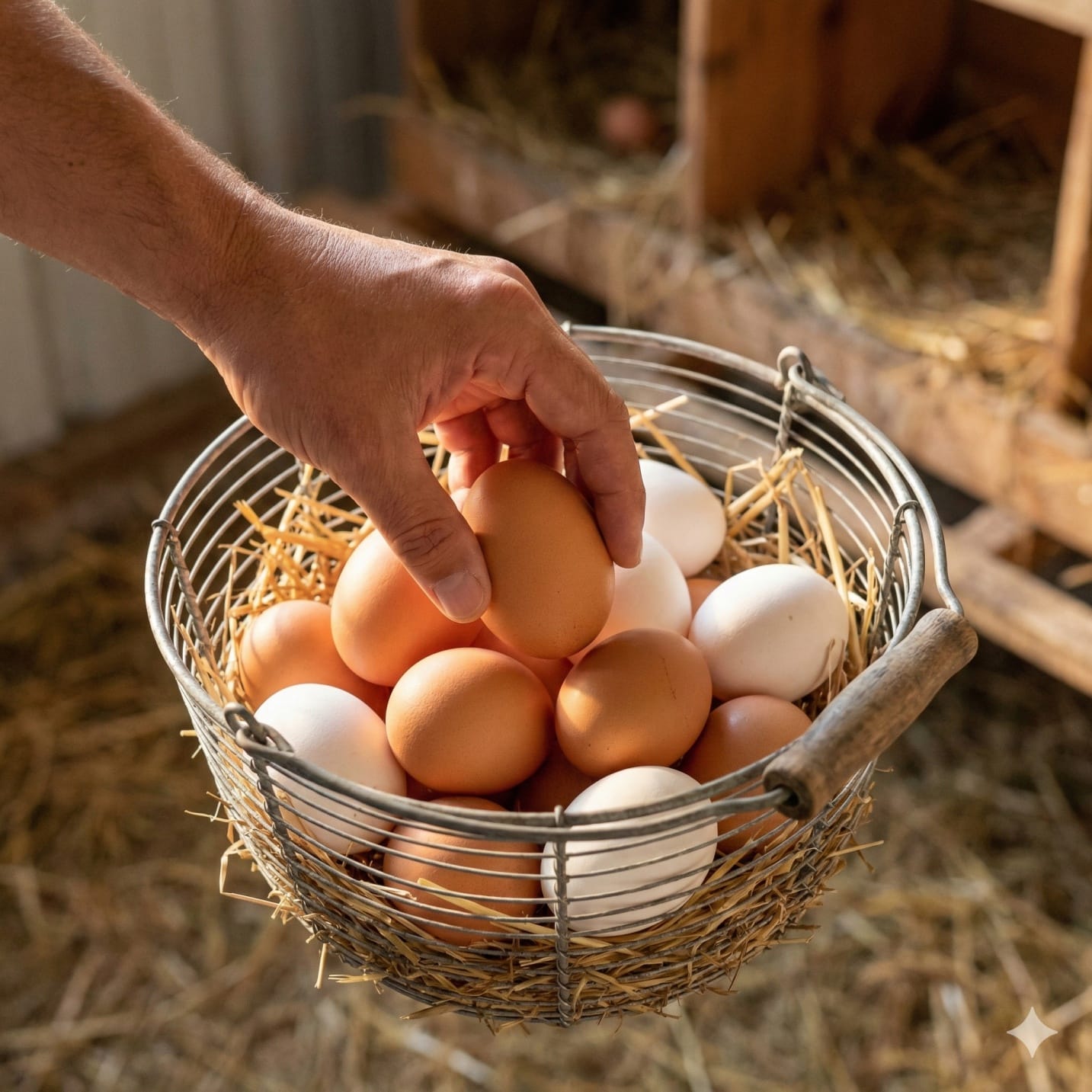
Egg Collection
Collect eggs at least 3 times daily to prevent breakages and maintain cleanliness. Monitor size, shape, shell strength, and yolk color.
Ready to improve egg quality and production?
Contact us today or find your nearest stockist to get started with Belmill quality feeds.